



Understanding RG59 Cable Specifications and Applications
RG59 cables are a popular choice in the telecommunications industry, particularly for video signal transmission in CCTV systems. Known for their flexibility, they are commonly used for short-distance, low-frequency applications. Understanding the specifications of RG59 cables is crucial for ensuring you select the right product from wholesale suppliers or manufacturers.
Types and Characteristics of RG59 Cables
RG59 cables are typically characterized by their impedance, which is usually 75 ohms, and their capability to carry analog video signals. They have a smaller center conductor compared to RG6 cables, which results in higher attenuation and, therefore, shorter transmission distances. RG59 cables are most suitable for distances up to 750 feet for analog signals and require careful selection to maintain signal integrity.
Key Quality Indicators for RG59 Cables
There are several quality indicators to consider when evaluating RG59 cables from suppliers or manufacturers. These factors can significantly impact the cable's performance and durability.
Center Conductor and Dielectric Quality
The center conductor's material and thickness can affect signal transmission. High-quality RG59 cables typically use a solid copper conductor, which offers better conductivity than copper-clad steel variants. The dielectric, usually made of foam or solid polyethylene, should also be free of voids and uniform to ensure consistent impedance.
Visual Inspection as a Preliminary Quality Check
Visual inspection is an immediate and straightforward method to assess the basic quality of RG59 cables. Examination of the cable jacket and shielding can provide initial insights into the cable's integrity.
Check the cable jacket for any inconsistencies or visible damage. A durable outer jacket is essential for protecting the internal components. Also, inspect the shielding quality. A tightly woven braid indicates good quality, as it provides better protection against electromagnetic interference (EMI).
Jacket and Shielding Inspection
Testing Electrical Characteristics with Equipment
To ensure the electrical performance of RG59 cables, specific tests can be conducted using professional-grade equipment.
Measuring Insertion Loss and Impedance
Insertion loss, measured in decibels (dB), can indicate how much signal power is lost over the cable's length. Using a network analyzer, ensure the insertion loss is within the manufacturer's specified range. Impedance should be consistently 75 ohms throughout to avoid reflections and loss of signal quality.
Mechanical Strength and Flexibility Assessment
Mechanical properties, such as flexibility and tensile strength, are crucial for determining the suitability of RG59 cables for specific installations.
Bend Radius and Flexibility
Perform a bend test to assess flexibility. A quality RG59 cable should maintain its integrity without kinking or damaging the internal structure when bent within the specified radius. This is particularly important for installations in tight spaces.
Environmental and Stress Testing for Durability
Environmental stress testing ensures that RG59 cables can withstand physical and environmental challenges.
Heat and Moisture Resistance Tests
Conduct tests to evaluate the cable's resistance to environmental conditions such as temperature fluctuations and humidity. Cables should be tested for operation within the temperature range specified by the manufacturer and should maintain performance in high-moisture environments.
Compliance and Certification for Quality Assurance
Compliance with industry standards ensures the quality and reliability of RG59 cables.
Certification Standards
Look for certifications from reputable organizations like ANSI/TIA, which verify that the cables meet industry standards for performance and safety. This provides added assurance when sourcing from wholesale suppliers or manufacturers.
Supplier Verification and Quality Control Processes
Choosing a reliable supplier or manufacturer is vital in acquiring quality RG59 cables. Verification processes are key.
Supplier Evaluation Criteria
Evaluate suppliers based on their history of delivering quality products, customer reviews, and adherence to quality control processes. A reputable supplier should provide documentation of compliance and testing.
Case Studies of Quality Issues and Resolutions
Examining past cases where quality issues were identified and resolved can provide valuable insights.
Common Issues and Solutions
One common problem is poor signal quality due to inferior materials used in the cable construction. Solutions often involve sourcing from trusted manufacturers and conducting thorough pre-installation tests to identify substandard cables.
Best Practices for Maintaining RG59 Cable Quality
Implementing best practices in handling and installation can maintain the integrity of RG59 cables.
Installation Tips and Maintenance
Proper installation methods, such as avoiding over-bending and securing cables tightly without exerting excess pressure, can prevent damage. Regular maintenance checks can ensure that cables remain in good condition over time.
Aston Cable Provide Solutions
Aston Cable offers comprehensive solutions for ensuring the quality and performance of RG59 cables. Our quality assurance processes include rigorous testing for electrical and mechanical characteristics, environmental stress testing, and compliance certification. By sourcing materials from trusted manufacturers and utilizing advanced testing equipment, we guarantee that our RG59 cables meet the highest industry standards. Our dedicated customer support team is always available to assist with any inquiries or technical support required for optimal cable performance.
User hot search: rg59 cable cctv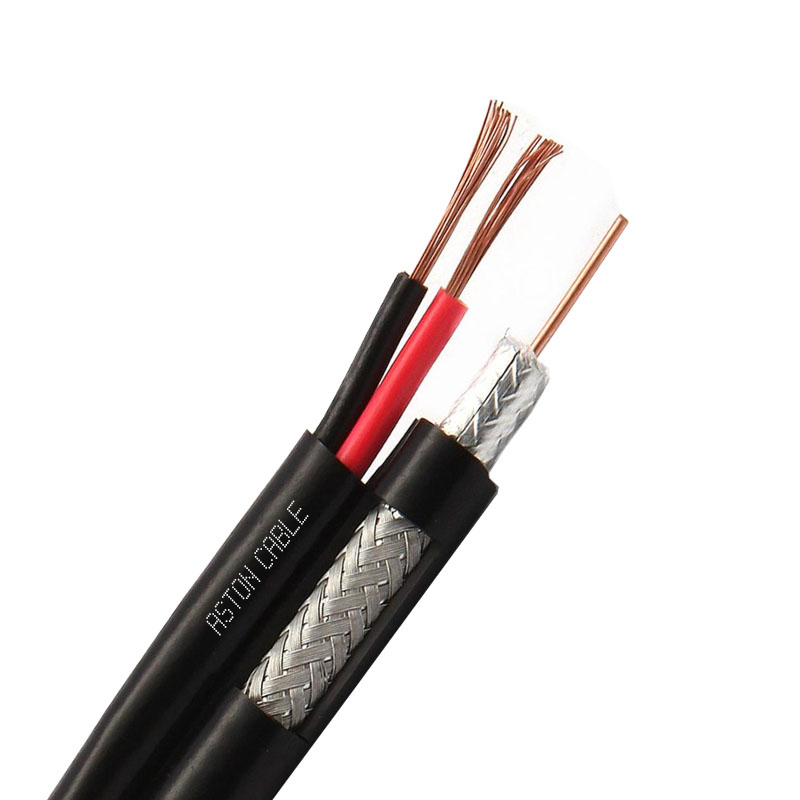
Post time: 2025-11-05 17:37:03