



Introduction to Cat6 and Cat6a Cables
● Basic Definitions
Cat6 (Category 6) and Cat6a (Augmented Category 6) patch cables are both part of the twisted pair family of cabling, commonly used in Ethernet and other network applications. These cables are essential for data transmission in both residential and commercial settings, and they play a pivotal role in connecting and maintaining robust network infrastructures.
● Common Applications
Cat6 and Cat6a patch cables are versatile tools used in various environments, from home networks to large-scale corporate data centers. They support a wide range of network protocols like Gigabit Ethernet, ensuring that devices such as computers, routers, and switches can communicate effectively and quickly.
Bandwidth Capabilities
● Cat6: 250 MHz
cat6 patch cables are designed to handle data at speeds of up to 250 MHz. This capability makes them suitable for applications that require moderate data transfer rates and reliability. Although they are not the latest standard, Cat6 cables are still widely used due to their balance of cost-effectiveness and performance.
● Cat6a: 500 MHz
Cat6a patch cables, on the other hand, offer a substantial upgrade with a bandwidth capacity of 500 MHz. This increased capacity allows for higher data transfer rates and improved performance, making Cat6a cables suitable for more demanding applications. The enhanced bandwidth also reduces latency, making Cat6a a preferred choice for environments that require high-speed data transmission.
Performance and Speed
● Stability and Reliability
When it comes to stability and reliability, both Cat6 and Cat6a patch cables provide excellent performance. However, Cat6a patch cables have an edge due to their enhanced construction and higher bandwidth capabilities, ensuring more stable and reliable connections even in high-traffic conditions.
● Data Transfer Rates
The data transfer rates are a significant differentiator between Cat6 and Cat6a patch cables. While Cat6 cables support speeds of up to 1 Gbps over distances of up to 55 meters, Cat6a cables can handle speeds of up to 10 Gbps over distances of up to 100 meters. This makes Cat6a cables more suitable for applications that require high-speed data transmission over longer distances.
Signal Distance and Quality
● Cat6: Effective Distance
Cat6 patch cables are effective over shorter distances, typically up to 55 meters for 10GBASE-T applications. Beyond this range, the signal quality may degrade, leading to decreased performance and potential data loss.
● Cat6a: Extended Range
Cat6a patch cables extend the effective distance to 100 meters for 10GBASE-T applications. This capability ensures that data signal quality is maintained over longer distances, making Cat6a patch cables ideal for larger networks that require extended reach without compromising on performance.
Cost Differences
● Price Comparison
The cost of Cat6 and Cat6a patch cables can vary significantly. Generally, Cat6 patch cables are more affordable and offer a cost-effective solution for standard network needs. Cat6a patch cables, while more expensive, provide enhanced performance and capabilities, justifying the higher price for scenarios that demand superior network performance.
● Factors Affecting Cost
Several factors influence the cost of Cat6 and Cat6a patch cables, including the quality of materials used, the manufacturer, and the specific requirements of the installation. Wholesale cat6 patch cables, when purchased directly from a cat6 patch cables manufacturer, can offer cost savings, especially for large-scale deployments.
Construction and Design
● Cable Thickness
One of the most noticeable differences between Cat6 and Cat6a patch cables is their thickness. Cat6a cables are generally thicker due to the additional insulation and shielding required to support their higher bandwidth and longer distance capabilities.
● Shielding Differences
Cat6 patch cables typically use twisted pair wiring with some basic shielding to prevent crosstalk and interference. Cat6a patch cables, however, feature enhanced shielding techniques, including additional layers of insulation and tighter twist rates. This construction significantly reduces the potential for interference and improves overall signal quality.
Installation Requirements
● Compatibility with Existing Hardware
Both Cat6 and Cat6a patch cables are backward compatible with older cable standards, such as Cat5 and Cat5e. This compatibility ensures that upgrading to Cat6a does not require a complete overhaul of existing network infrastructure, making it a practical choice for gradual network improvements.
● Installation Complexities
Installing Cat6a patch cables can be more complex due to their increased thickness and rigidity. This added complexity can affect the ease of installation, requiring more planning and potentially specialized tools or techniques. Despite these challenges, the improved performance and extended reach make the extra effort worthwhile for many network applications.
Interference and Crosstalk
● Cat6 vs. Cat6a Shielding
The enhanced shielding in Cat6a patch cables provides superior protection against electromagnetic interference (EMI) and crosstalk compared to Cat6 cables. This shielding ensures that signals remain clear and undistorted, even in environments with high levels of electronic noise.
● Effect on Performance
Reducing interference and crosstalk has a direct impact on the performance of network cables. Cat6a patch cables, with their advanced shielding, offer better performance in terms of data integrity and transmission speeds. This makes them a preferred choice for environments that require high levels of data accuracy and reliability.
Use Cases and Applications
● Suitable Environments for Each
Cat6 patch cables are ideal for home networks, small offices, and environments where data transfer demands are moderate. They provide a cost-effective solution without compromising on basic performance requirements.
Cat6a patch cables, however, are better suited for larger networks, data centers, and environments where high-speed data transfer and reduced interference are critical. Their ability to maintain signal integrity over longer distances makes them an excellent choice for these demanding applications.
● Common Industries Using Cat6 and Cat6a
Various industries benefit from the use of Cat6 and Cat6a patch cables. For instance, educational institutions, healthcare facilities, and businesses with heavy data traffic rely on the robust performance of Cat6a cables. Meanwhile, residential users and small businesses often find Cat6 cables sufficient for their networking needs.
Choosing the Right Cable
● Considerations for Decision Making
When selecting between Cat6 and Cat6a patch cables, several factors should be considered, including the specific requirements of the network, the budget, and the need for future-proofing. Understanding the differences in performance, cost, and installation can help in making an informed decision.
● Summary and Recommendations
In summary, while Cat6 patch cables offer a cost-effective solution for many standard networking needs, Cat6a patch cables provide superior performance, extended reach, and reduced interference. For applications that demand high-speed data transfer and reliability, investing in Cat6a patch cables is a wise choice.
About Aston Cable
Aston Cable factory, located in Hangzhou Linan City, has over 20 years of experience as a professional communication cable manufacturer. Our facilities include advanced manufacturing machines and testing equipment, ensuring high-quality production. Covering 10,000 square meters, Aston Cable produces coaxial cables, composited cables, LAN cables, alarm cables, and other security cables. With certifications like ISO9001 and ISO14001, we provide professional solutions to meet your communication and security needs.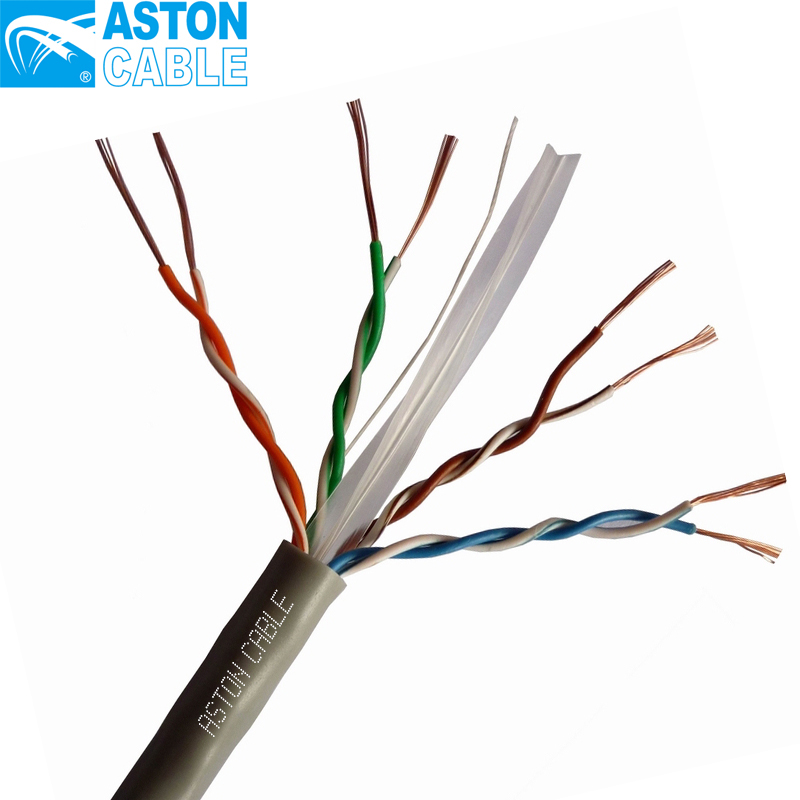
Post time: 2024-10-26 14:48:02