




Introduction to Coaxial Cables
● Overview of Coaxial Cable Types
Coaxial cables are essential components in various communication systems, ranging from television and internet connectivity to video surveillance setups. Understanding the different types of coaxial cables is crucial for optimizing performance and ensuring reliable signal transmission. Two commonly referenced types are RG59 and RG59 U, both of which have unique characteristics making them suitable for specific applications.
● Importance of Understanding Differences
Understanding the differences between RG59 and RG59 U can help users make informed decisions when selecting cables for their projects. This knowledge can impact the effectiveness and reliability of systems, particularly in surveillance and communication installations.
Basic Characteristics of RG59
● Suitable Applications for RG59
RG59 is a standard coaxial cable known for its flexibility and cost-effectiveness. It is commonly used in short-distance video transmission and low-frequency applications. It is suitable for indoor installations, where the cable runs are relatively short.
● Frequency Range and Signal Quality
RG59 operates effectively within a frequency range of up to 50 MHz, making it suitable for analog video signals. However, for applications requiring higher frequencies, such as digital signals, RG59 may experience signal loss and attenuation, compromising the quality of the transmission.
Features of RG59 U
● General-Purpose Applications
RG59 U, often referred to as RG59/U, is designed for general-purpose use. It is widely used in radio frequency (RF) and low-power video applications. This cable type is ideal for situations requiring reliable signal transmission over moderate distances.
● Compatibility with RF and Low-Power Video
RG59 U has a similar construction to RG59 but is typically manufactured to meet specific military or industrial standards. This makes it more reliable for RF and low-power video applications, providing consistent signal quality and minimizing interference.
Construction Differences Between RG59 and RG59 U
● Material Composition
The primary difference between RG59 and RG59 U lies in their construction materials. RG59 often uses a steel or aluminum center conductor, while RG59 U usually has a copper center conductor. This distinction affects both the performance and cost of the cables.
● Shielding and Flexibility
RG59 typically features a single layer of shielding, which may be aluminum or copper braid. In contrast, RG59 U often has a double layer of shielding, providing better protection against electromagnetic interference (EMI). Additionally, RG59 U tends to be more flexible, making it easier to install in tight spaces.
Performance Comparison
● Signal Transmission Distance
When comparing signal transmission distances, RG59 U outperforms RG59 due to its superior shielding and conductor materials. RG59 U can transmit signals over longer distances without significant loss, making it a better choice for installations where cable runs are extensive.
● Effectiveness with Different Frequencies
Both RG59 and RG59 U are suitable for low-frequency applications, but RG59 U maintains signal quality better at higher frequencies. For installations requiring higher bandwidth, such as digital video or high-frequency RF signals, RG59 U is the preferred choice.
Use Cases for RG59 Cables
● Indoor, Outdoor, and Underground Scenarios
RG59 is versatile and can be used in various scenarios. Indoors, it is commonly used for CCTV systems and short-distance video connections. Outdoors, it can be used for cable TV and internet installations, provided the distances are not too long. For underground installations, additional protective measures are necessary to prevent damage from moisture and physical stress.
● Common Applications in CCTV and Surveillance
In the field of surveillance, RG59 is a go-to option for many installers due to its affordability and ease of use. It is suitable for CCTV systems where camera distances from the recording device are not extensive, ensuring good video quality without significant signal loss.
Use Cases for RG59 U Cables
● CATV and Satellite Installations
RG59 U is often used in cable television (CATV) and satellite installations, where signal integrity over longer distances is critical. Its better shielding properties make it more resistant to EMI, ensuring clear signal transmission even in environments with high interference.
● Versatility in Various Environments
RG59 U's robust construction makes it versatile for use in various environments. It can be installed both indoors and outdoors, and its flexibility allows it to be used in tight spaces. Additionally, its superior shielding makes it suitable for use in industrial settings where EMI is a concern.
Historical Context of the RG Unit Indicator
● Origination in the U.S. Military System
The RG (Radio Guide) designation originated in the U.S. military, where it was used to standardize the specifications of radio frequency cables. The "U" in RG59 U stands for "universal," indicating that the cable meets specific standards for general-purpose applications.
● Current Standards and Specifications
Today, the RG unit indicator is widely used in the industry to specify the characteristics of coaxial cables. RG59 and RG59 U are manufactured to meet industry standards, ensuring consistent quality and performance across different brands and manufacturers.
Quality and Standards Compliance
● Meeting Military Specifications or Not
One of the key differences between RG59 and RG59 U is whether the cable meets military specifications. RG59 U is typically manufactured to meet these stringent standards, ensuring higher reliability and performance. Conversely, RG59 may not always meet these specifications, making it less reliable in certain applications.
● Consistency in Manufacturing
Quality and consistency in manufacturing are crucial for coaxial cables. RG59 U cables are generally produced with more stringent quality control measures, ensuring that each batch meets the specified standards. This consistency makes RG59 U a more reliable choice for critical installations.
Choosing the Right Cable for Your Needs
● Factors to Consider in Decision Making
When choosing between RG59 and RG59 U, consider the specific requirements of your installation. Factors such as signal transmission distance, frequency range, environmental conditions, and budget all play a role in determining the suitable cable type.
● Practical Recommendations and Best Practices
For short-distance, low-frequency applications, RG59 is a cost-effective choice. However, for installations requiring higher signal integrity, longer distances, or higher frequencies, RG59 U is the better option. Always ensure that the cable meets the necessary standards and is sourced from a reputable manufacturer.
Conclusion
Understanding the differences between RG59 and RG59 U is essential for optimizing performance in various communication and surveillance systems. While both cables have their unique advantages, selecting the right one depends on the specific requirements of your project.
Aston Cable: Your Trusted Partner for Coaxial Cables
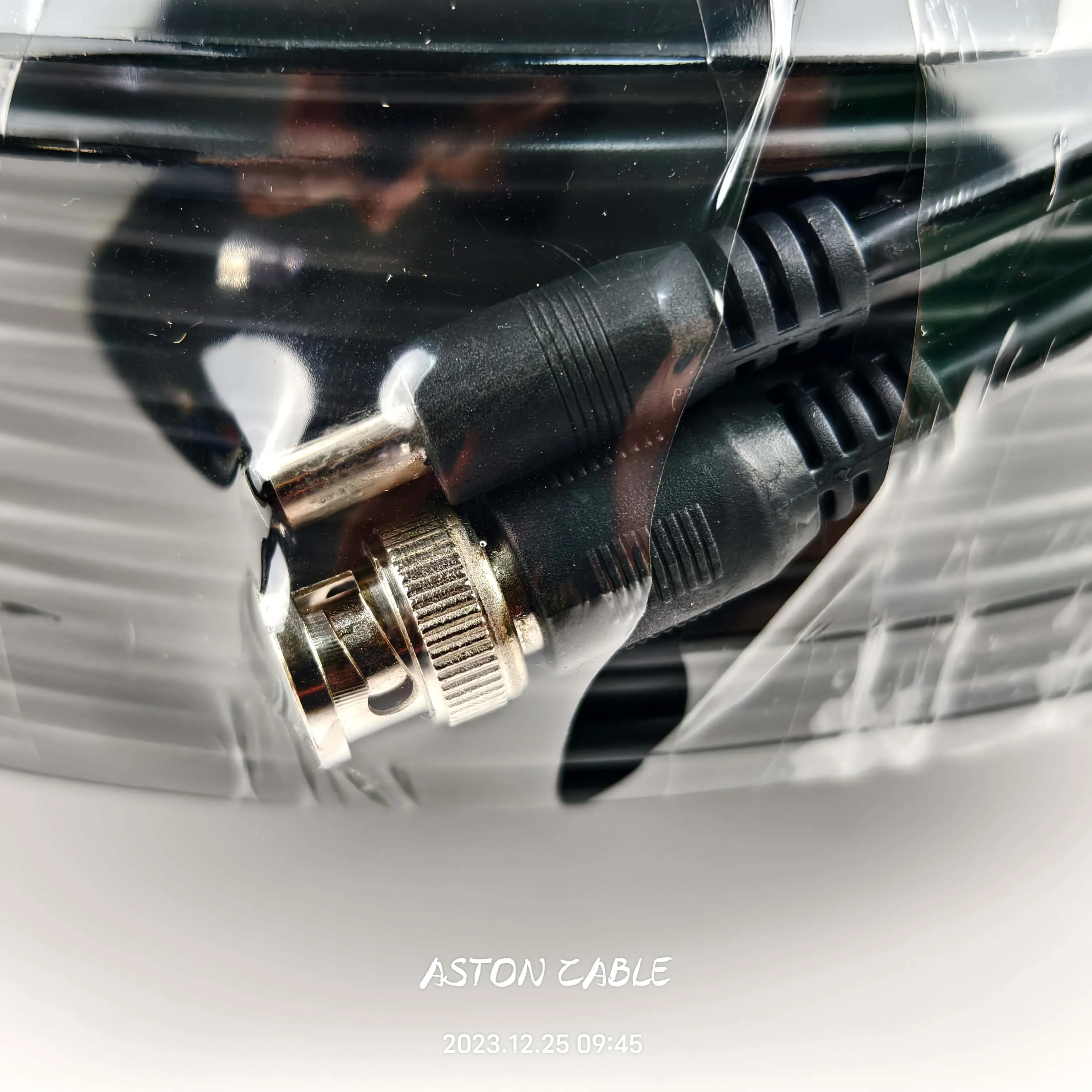
Aston Cable factory is located in Hangzhou Linan City, approximately two hours from Shanghai Pudong Airport or Xiaoshan Airport by car. As a professional communication cable manufacturer, Aston Cable has over 20 years of experience in producing a wide range of cables. With advanced manufacturing machines and testing equipment, Aston Cable ensures high-quality products and excellent customer satisfaction. The factory covers 10,000 square meters and specializes in Coaxial Cable, Composited Cable, Lan Cable, alarm cable, and other security cables.
Post time: 2024-10-16 11:02:05