



Introduction to UTP in Cat6
When it comes to modern networking, the type of cabling used plays a crucial role in determining the effectiveness and efficiency of data transmission. Among the various options available, Unshielded Twisted Pair (UTP) cables in the Category 6 (Cat6) standard stand out due to their performance and cost-effectiveness. This article delves into the intricacies of UTP in Cat6 cables, exploring their design, capabilities, and applications. We will cover essential aspects such as performance parameters, installation requirements, and the advantages of using UTP cables over other types.
Construction of UTP in Cat6
● Description of Twisted Pairs
cat6 utp cables are designed with four unshielded twisted pairs of wires. Each pair consists of two insulated copper wires twisted together. This twisting minimizes electromagnetic interference from external sources and reduces crosstalk between adjacent pairs. The tighter twist in Cat6 cables compared to Cat5 and Cat5e is a significant factor in its superior performance.
● Lack of Metallic Shielding
One of the defining characteristics of UTP cables is the absence of metallic shielding around the twisted pairs. This design choice makes UTP cables easier to handle and install, reducing the weight and overall cost. However, it also makes them more susceptible to electromagnetic interference (EMI) in noisy environments.
The Role of UTP in Reducing Noise
● Mechanism of Noise Reduction
The primary mechanism by which UTP cables reduce noise is through the twisting of wire pairs. The twists cancel out electromagnetic interference, making UTP cables highly effective in environments with moderate levels of EMI. This noise-cancellation quality is essential for maintaining data integrity over long distances.
● Importance for Data Transmission
For data transmission, maintaining signal integrity is crucial. UTP cables are designed to minimize signal degradation, ensuring that data is transmitted accurately and efficiently. The use of UTP in Cat6 cables makes them suitable for high-speed data networks, including Gigabit Ethernet and 10 Gigabit Ethernet over short distances.
UTP and Crosstalk Reduction
● Explanation of Crosstalk
Crosstalk is a phenomenon where a signal transmitted on one pair of wires creates an undesired effect on another pair. This interference can lead to data loss and reduced network performance. Crosstalk is more prevalent at higher frequencies, making it a significant concern for high-speed data networks.
● How UTP Minimizes Crosstalk
The twisting of pairs in UTP cables helps to minimize crosstalk. In Cat6 cables, the twists are tighter compared to previous standards, offering better protection against crosstalk. The design specifications for Cat6 UTP cables ensure that they can handle higher frequencies and data rates with minimal interference.
Performance Capabilities of Cat6 UTP
● Maximum Data Rates
Cat6 UTP cables are designed to support data rates of up to 10 Gbps, making them suitable for high-speed networking applications. The cables are tested to perform up to 250 MHz, which is significantly higher than the 100 MHz supported by Cat5e cables. This performance capability makes Cat6 UTP ideal for modern networking needs.
● Distance Limitations
The performance of Cat6 UTP cables is distance-dependent. While they can support 10 Gbps data rates, this is typically limited to a maximum distance of 55 meters. For standard Ethernet applications (10/100/1000BASE-T), Cat6 UTP cables can support a distance of 100 meters, which includes 90 meters of horizontal cabling and 10 meters of patch cords.
Applications of Cat6 UTP Cables
● Use in LANs
Cat6 UTP cables are widely used in Local Area Networks (LANs) due to their high performance and cost-effectiveness. They are suitable for connecting computers, servers, and other network devices within a building or campus. The ability to support high-speed data rates makes Cat6 UTP a preferred choice for modern office environments.
● Data Center Applications
In data centers, where high-speed data transmission is critical, Cat6 UTP cables are often used for connecting servers, storage devices, and networking equipment. Their performance characteristics make them suitable for handling large volumes of data with minimal latency and interference.
Cost-Effectiveness of UTP Cables
● Comparison with Other Cables
Compared to shielded twisted pair (STP) cables, UTP cables are more cost-effective. The lack of shielding reduces material costs and simplifies the manufacturing process. Additionally, UTP cables are lighter and easier to install, further reducing labor costs.
● Market Availability and Pricing
Cat6 UTP cables are widely available from various manufacturers and suppliers. The broad market availability ensures competitive pricing, making it easier for consumers to find cost-effective solutions for their networking needs. Wholesale Cat6 UTP options are also available, providing additional cost savings for large-scale installations.
Electromagnetic Interference (EMI) with UTP
● How UTP Handles EMI
While UTP cables are less effective at handling EMI compared to shielded cables, their design still provides a significant level of protection. The twisting of pairs helps to cancel out much of the EMI, making UTP cables suitable for most standard environments. However, in areas with high levels of EMI, additional shielding may be required.
● Comparison with Shielded Cables
Shielded cables, such as STP, offer better protection against EMI but come at a higher cost. They are also more challenging to install due to their rigidity and weight. For most applications, the level of EMI protection provided by UTP cables is sufficient, making them a practical choice.
UTP vs STP in Cat6 Cables
● Differences in Design
The primary difference between UTP and STP cables lies in the presence of shielding. STP cables have a metallic shield around each pair or the entire cable, providing better protection against EMI. UTP cables lack this shielding, relying on the twisted pair design to minimize interference.
● Performance Advantages and Disadvantages
While STP cables offer superior EMI protection, they are more expensive and harder to install. UTP cables, on the other hand, are more affordable and easier to handle. The choice between UTP and STP often depends on the specific requirements of the installation environment.
Future Prospects of UTP in Networking
● Upcoming Technologies
As networking technologies continue to evolve, the demand for high-performance cabling solutions will increase. UTP cables, particularly those in the Cat6 category, are well-positioned to meet these demands. Ongoing advancements in cable design and manufacturing techniques will likely enhance the performance of UTP cables, making them even more suitable for future networking applications.
● Potential Enhancements in UTP Designs
Future enhancements in UTP cable designs may include improved materials and manufacturing processes that further reduce crosstalk and EMI. These advancements will help UTP cables maintain their relevance in the ever-evolving landscape of networking technologies.
Company Profile: Aston Cable
Aston Cable factory is located in Hangzhou Linan City, just two hours from Shanghai Pudong Airport or Xiaoshan Airport by car. As a professional communication cable manufacturer with over 20 years of experience, Aston Cable boasts advanced manufacturing machines and stringent quality control systems. The factory's extensive product range includes Coaxial Cable, Composite Cable, LAN Cable, alarm cable, and other security cables. Aston Cable is committed to enhancing customer satisfaction through high-quality products and superior service.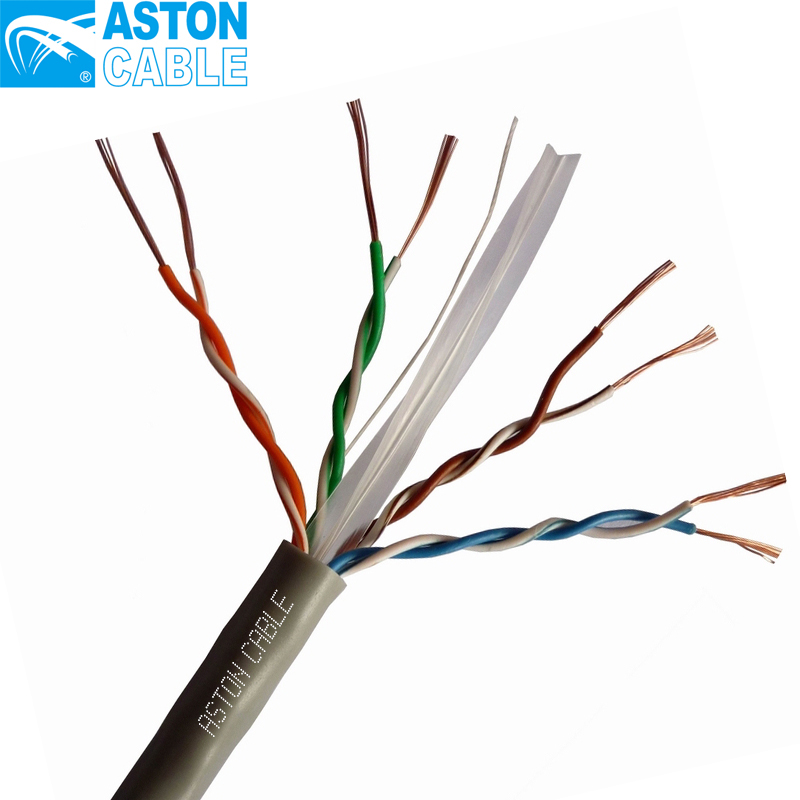
Post time: 2024-09-12 21:19:45